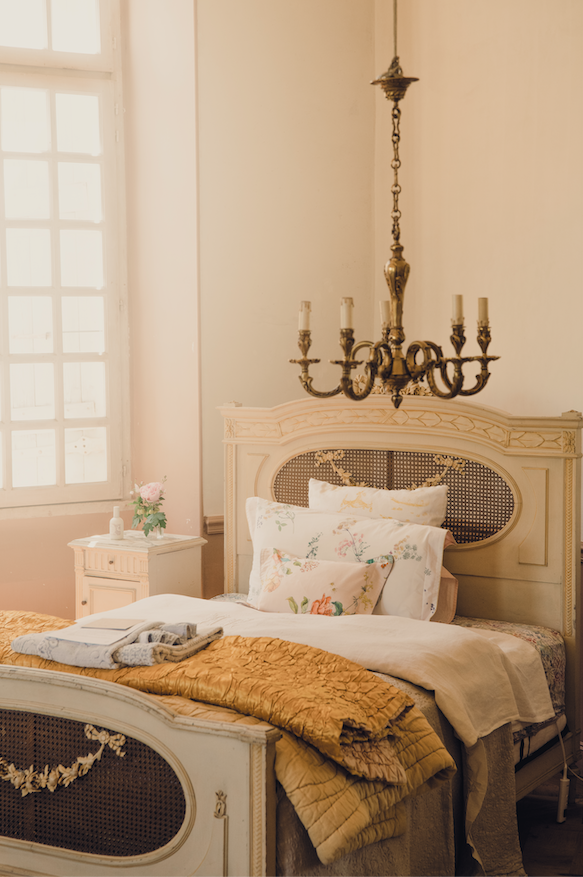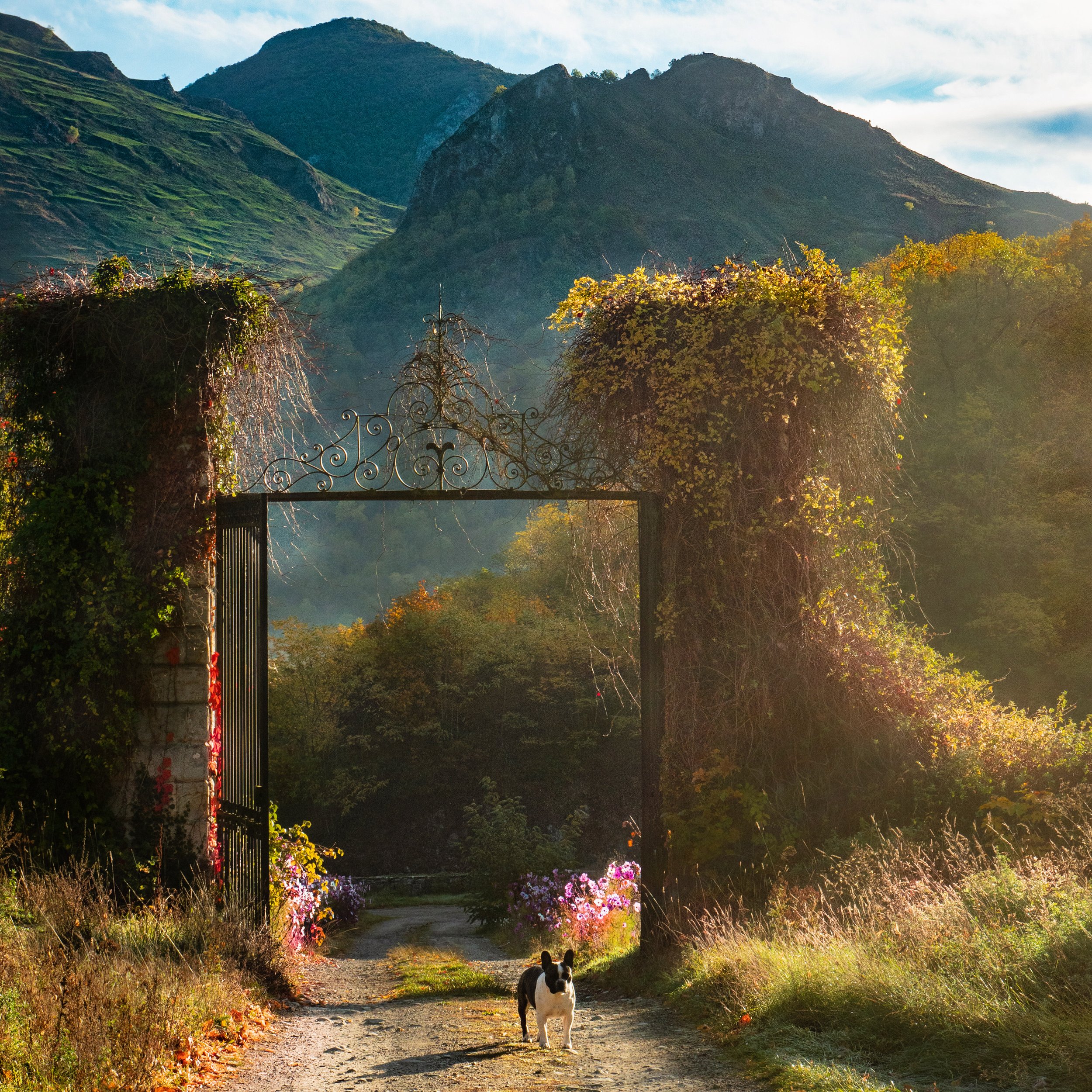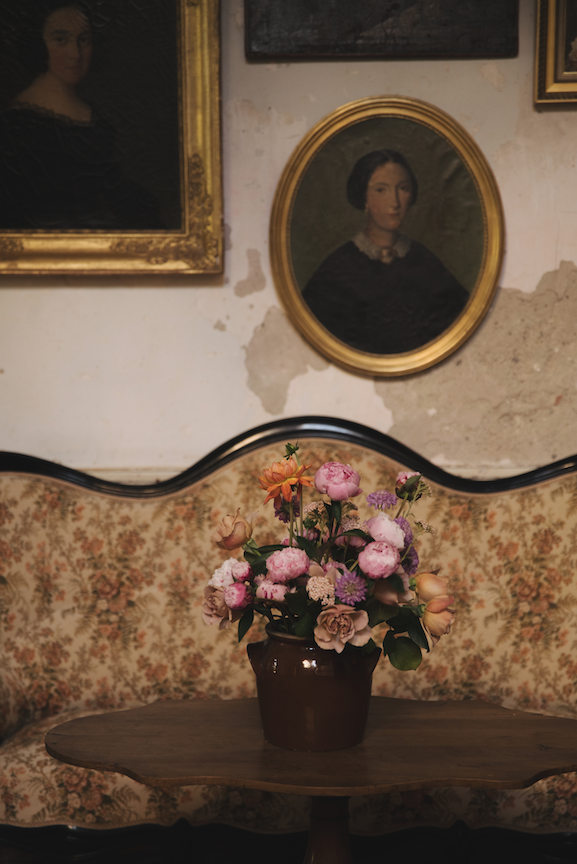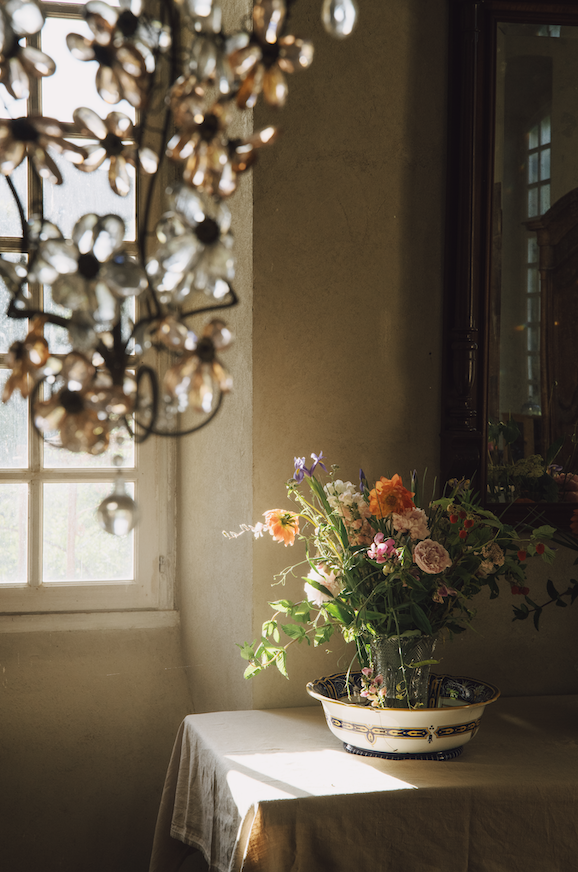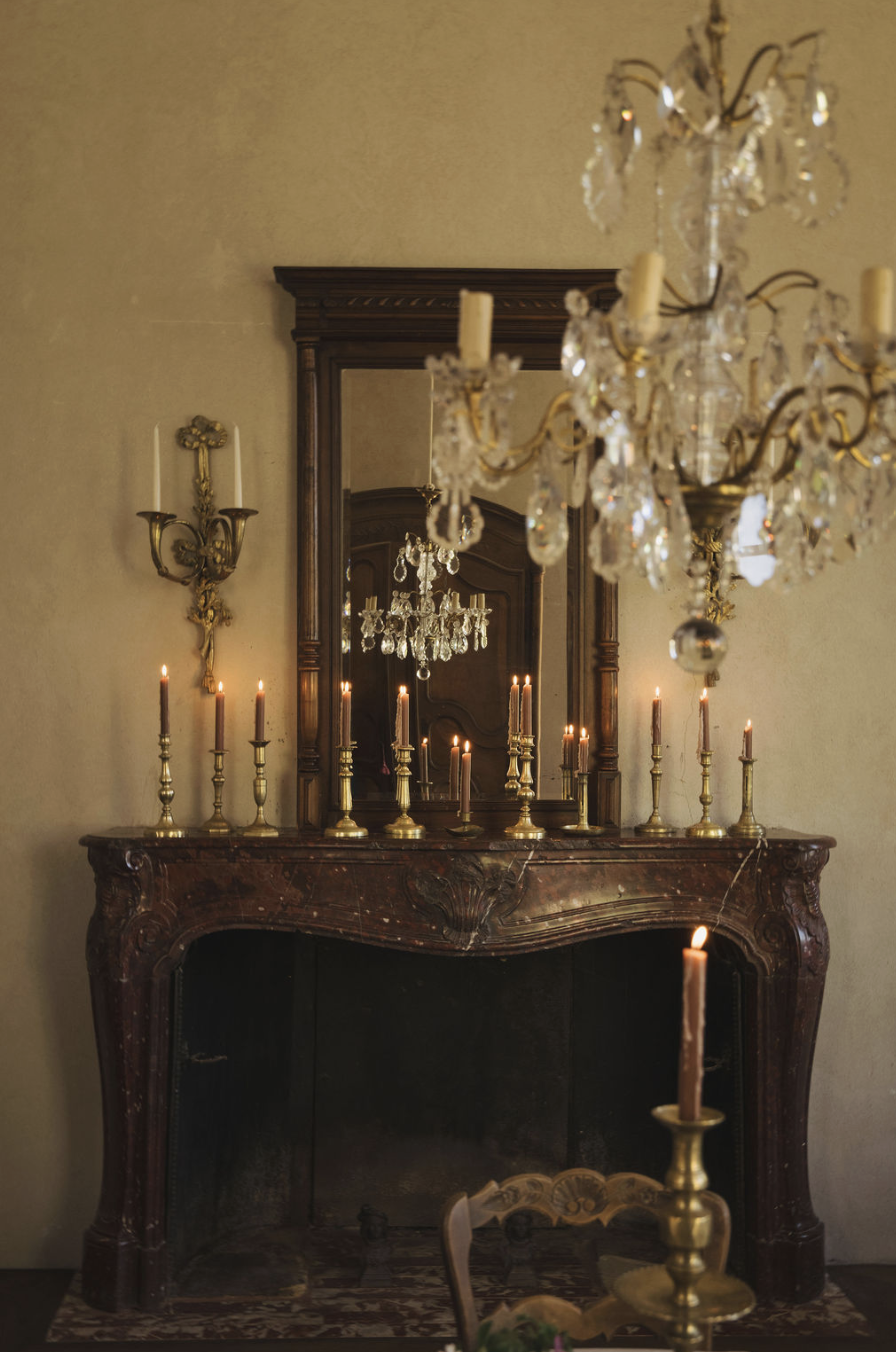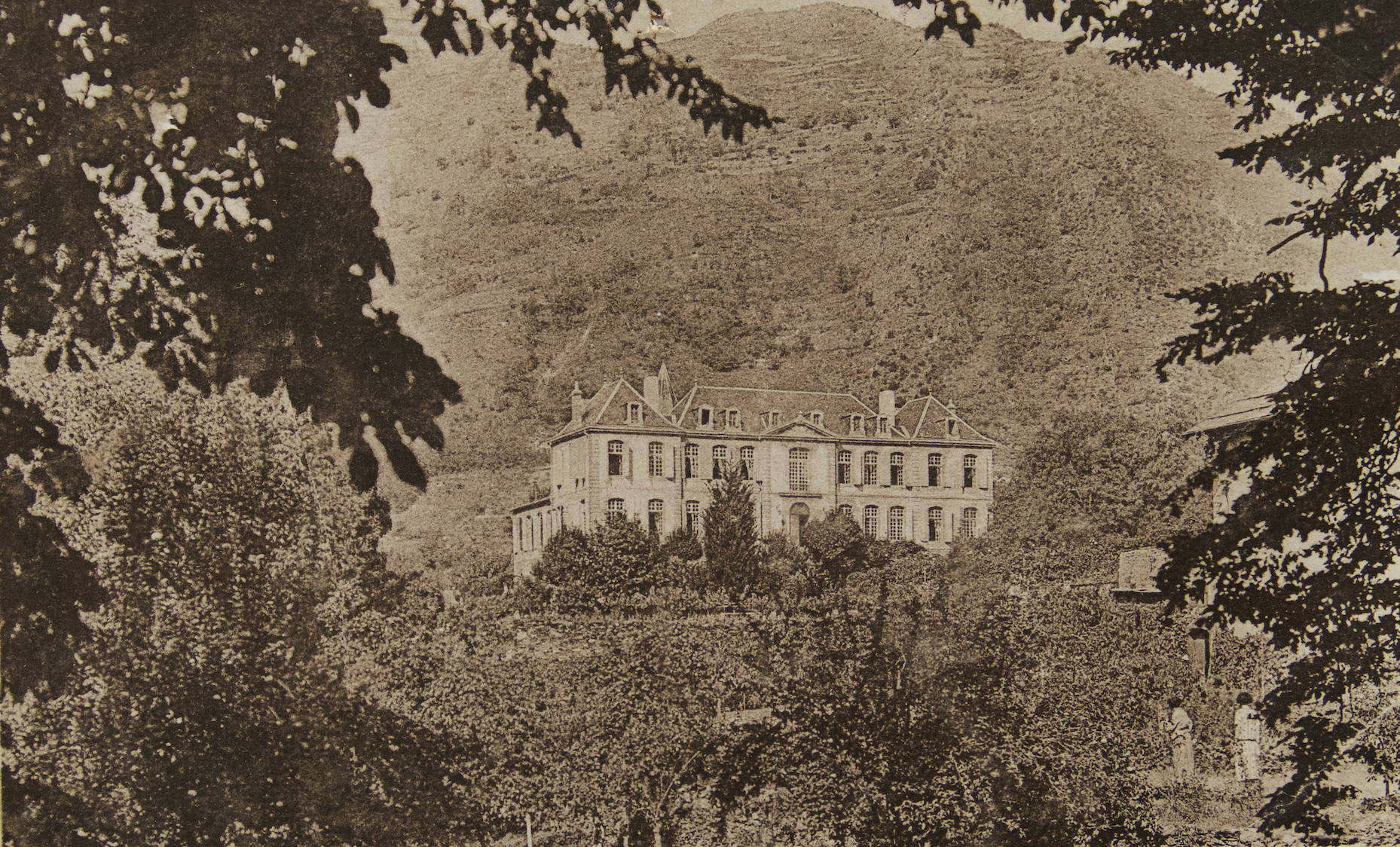
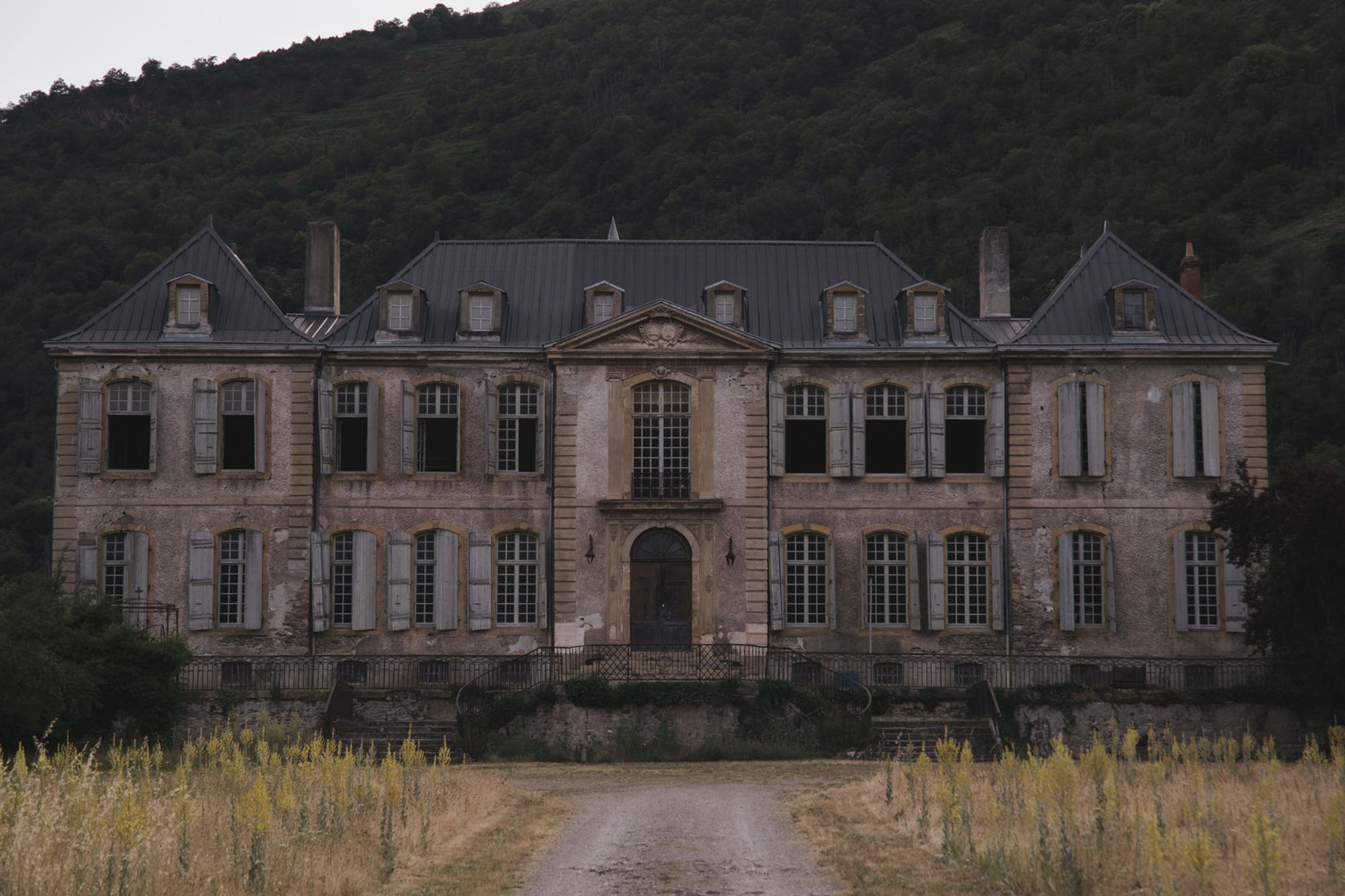
Perched above the ancient valleys of the Ariège in the French Pyrenees, Château de Gudanes is a place where history resides. A living monument shaped by centuries of artistry, ambition and imagination, the château stands as a testament to France’s noble heritage and the enduring beauty of preservation.
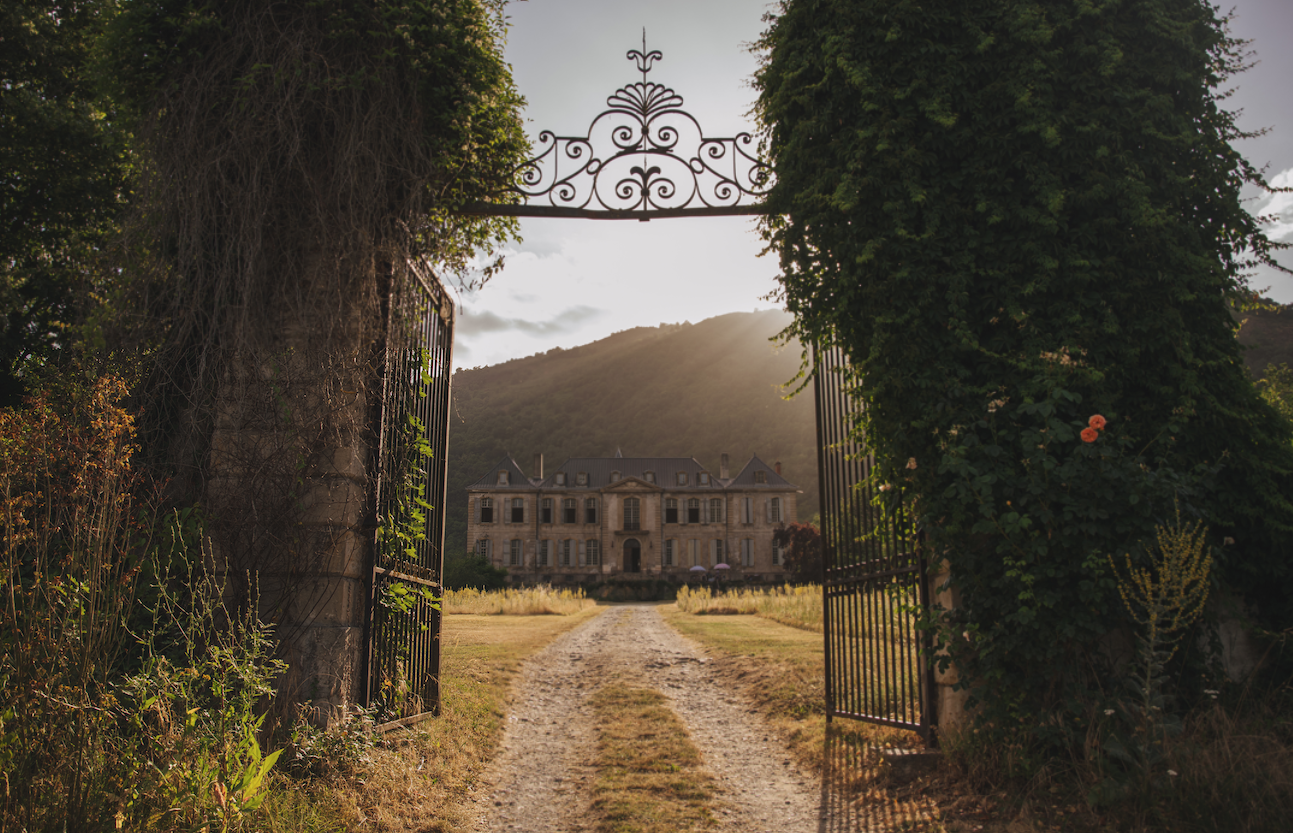
Royal Vision
Rebuilt in the eighteenth century upon the foundations of an earlier noble, medieval estate, Château de Gudanes was conceived during the golden age of French architecture as a symbol of refinement, elegance and royal influence. Its creation was entrusted to Ange-Jacques Gabriel, the celebrated royal architect to King Louis XV and one of the greatest architectural minds of his time. Gabriel was responsible for some of France’s most treasured landmarks, including the design of the King’s Pavilion at the Palace of Versailles and the creation of Marie Antoinette’s beloved Petit Trianon.
Through this remarkable connection, Château de Gudanes shares an extraordinary architectural lineage with Versailles itself. Today, Gudanes holds the prestigious classification of Class I Historic Monument, the same distinguished heritage designation awarded to some of France’s most significant cultural treasures, including the Palace of Versailles and the Eiffel Tower.
Ruin & Remembrance
Yet the story of Gudanes is not only one of the past. It is a story of renewal, devotion and the delicate art of preservation.
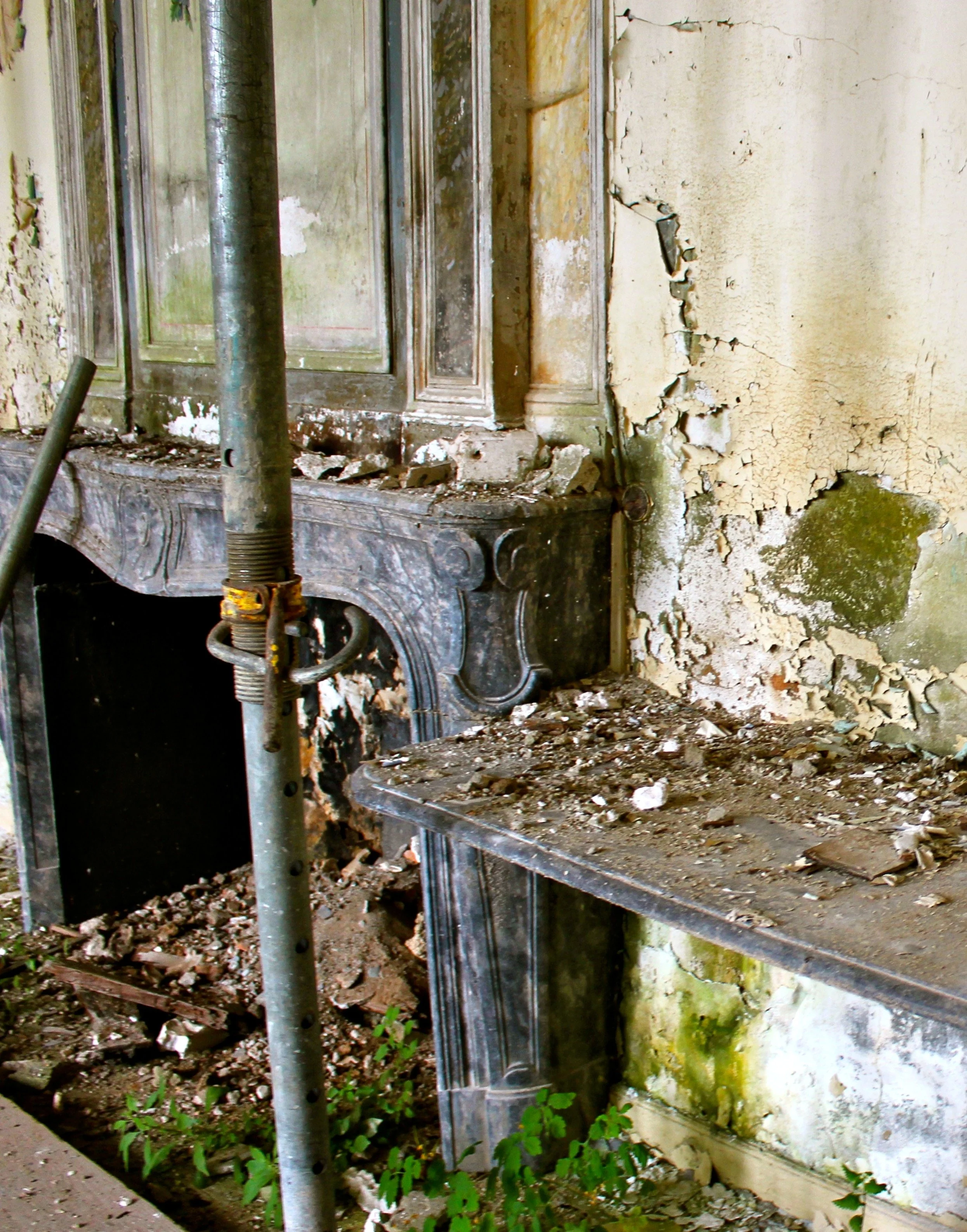
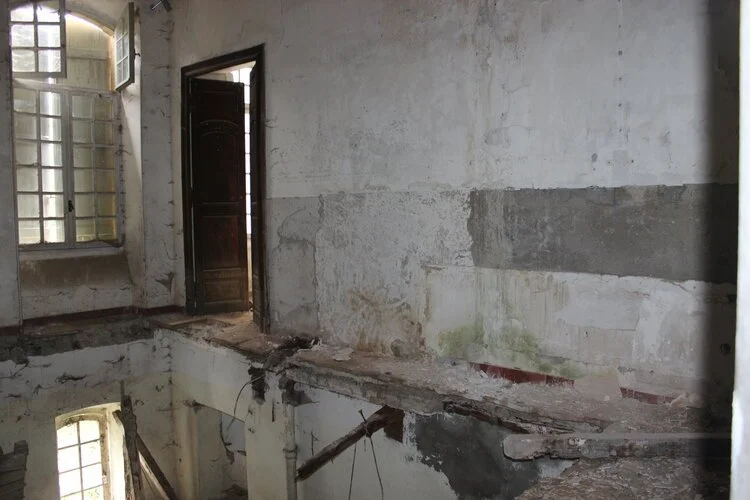
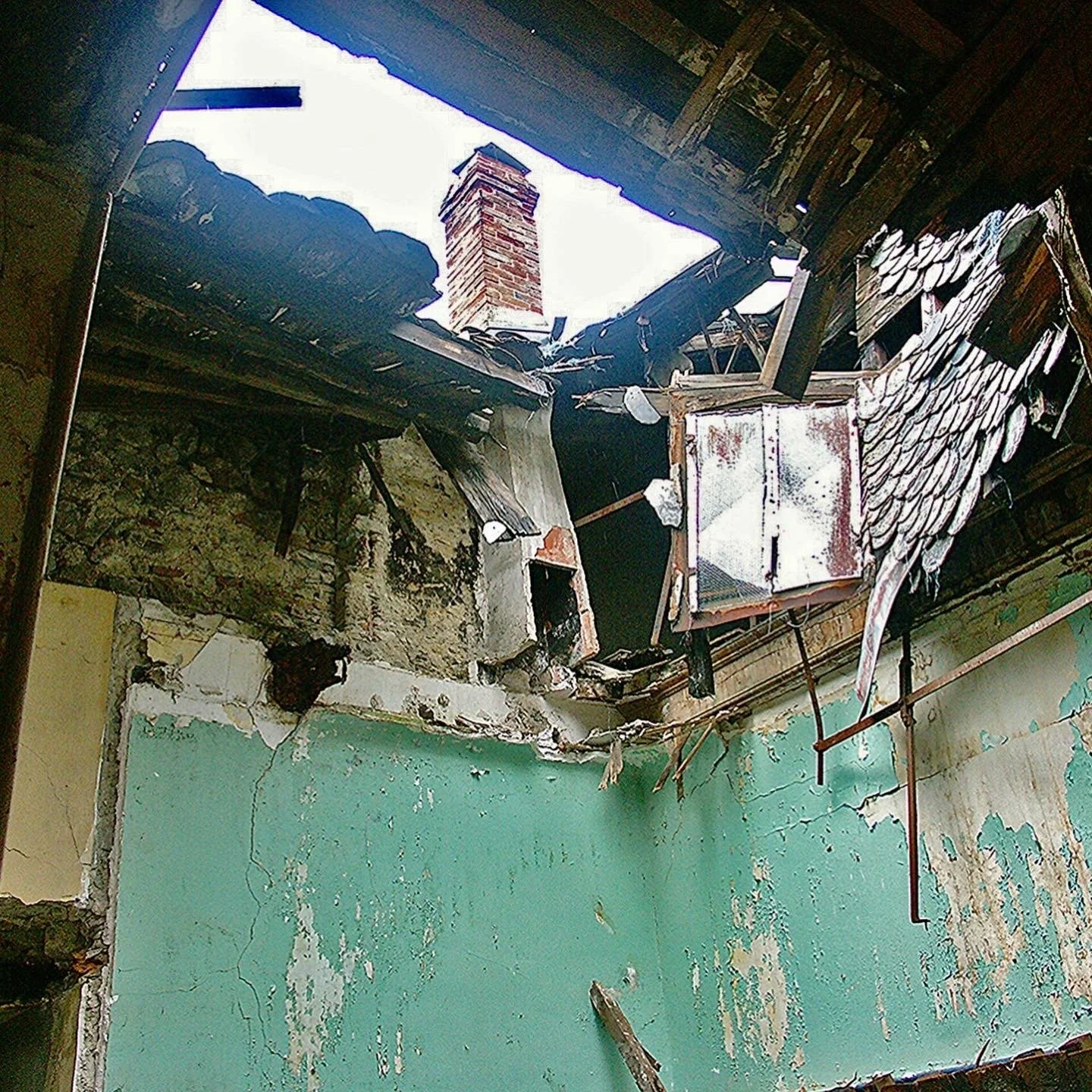
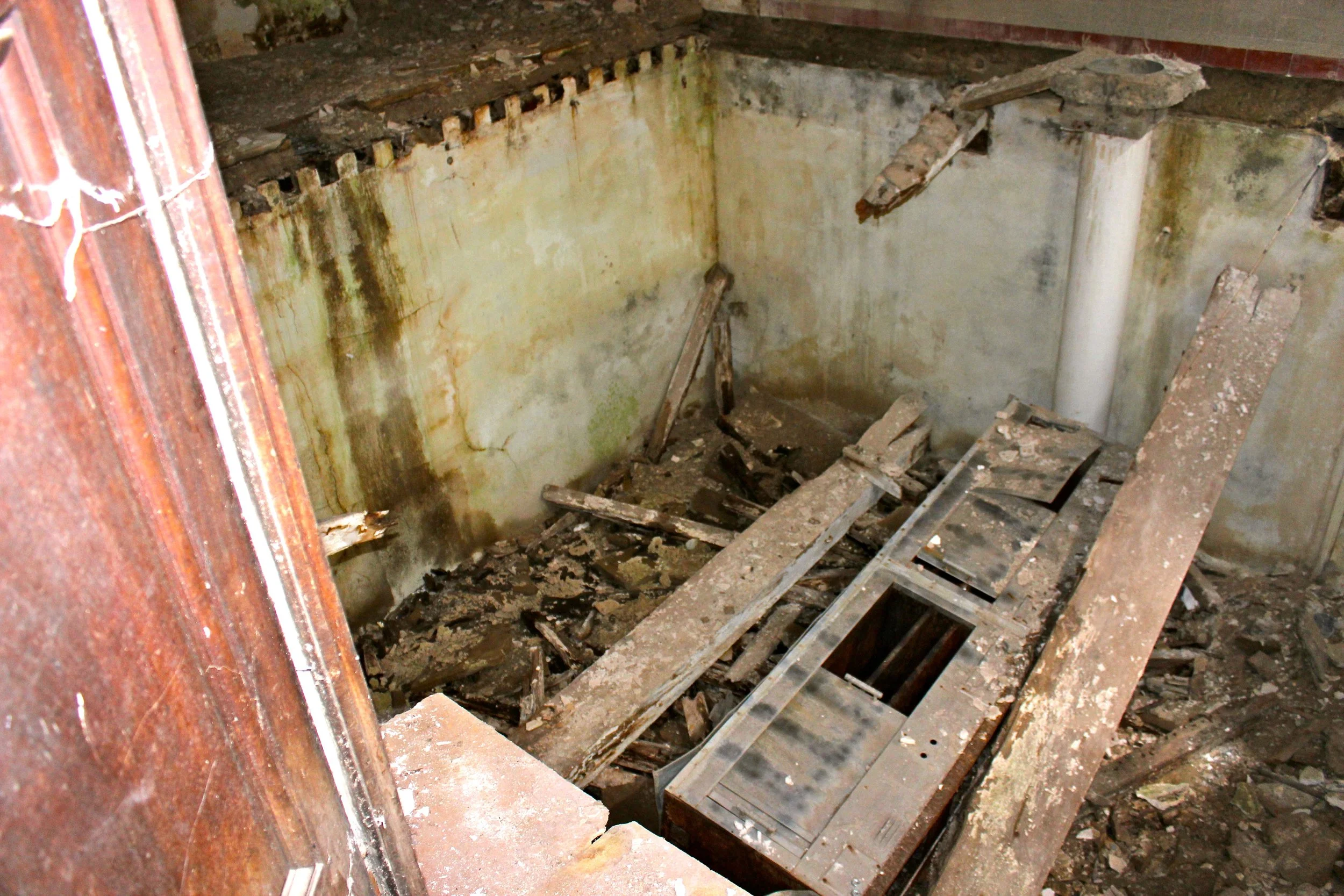
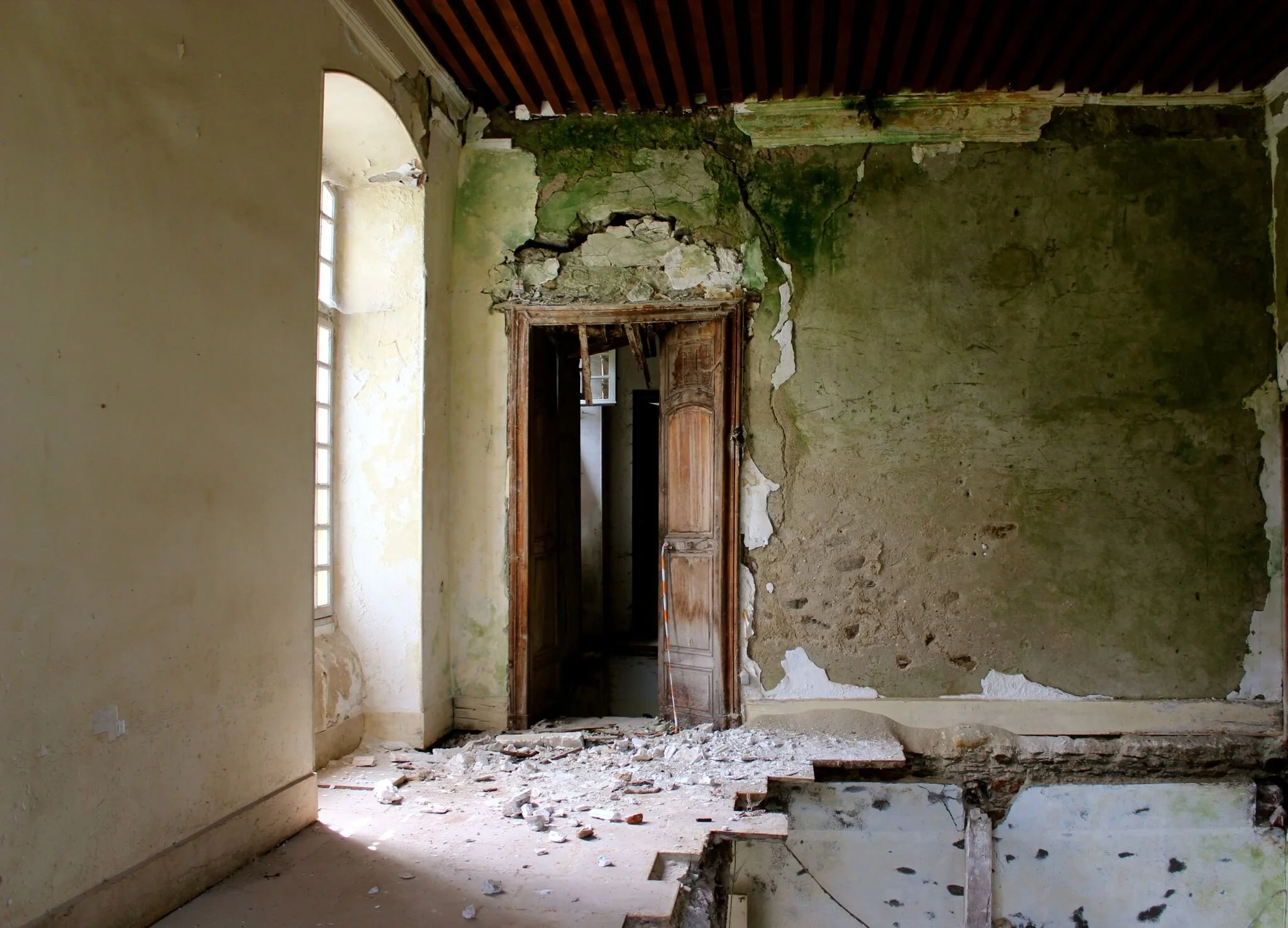
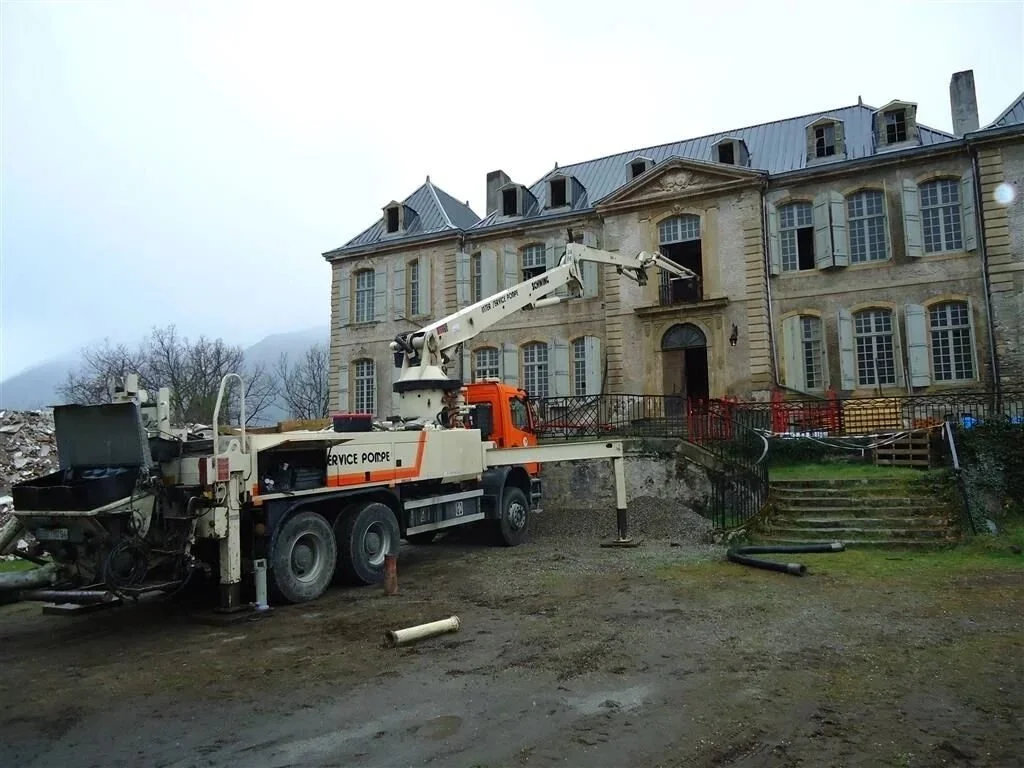
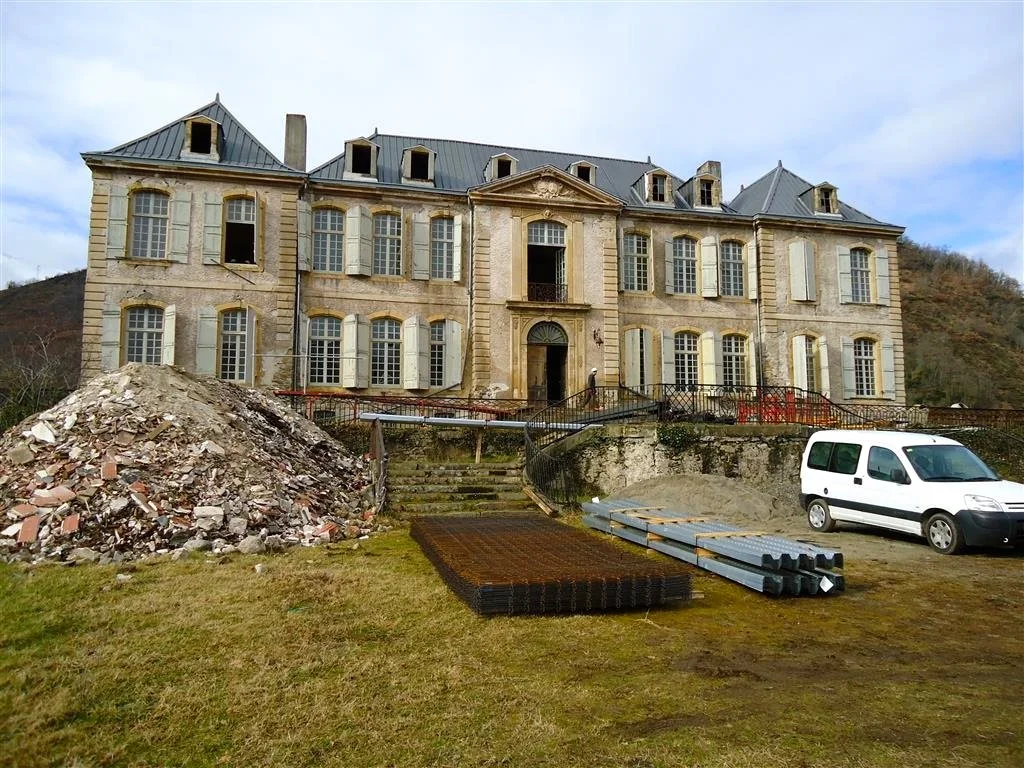
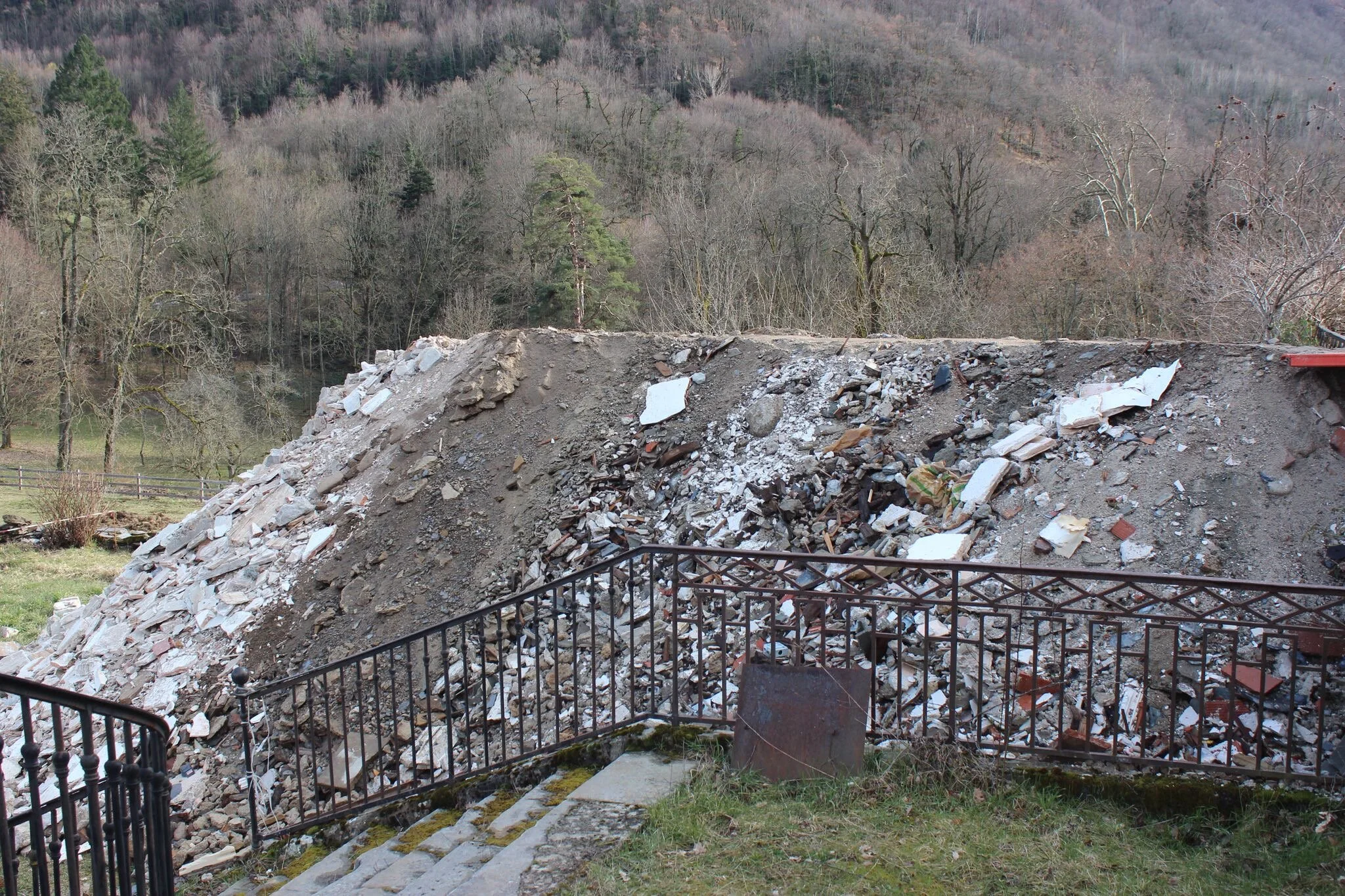
For many years, this once magnificent estate fell into silence. Abandoned and left to the elements, Château de Gudanes slowly surrendered to the passage of time. The gardens and surrounding grounds became overgrown, the interiors faded into decay, and the roof - unable to withstand the years - collapsed, allowing snow, rain and the changing seasons to enter the heart of the château. Gradually, the rooms that had once held generations of stories began to crumble, ceilings disappeared, floors gave way, and much of the estate was left open to the sky. By the time its restoration journey began, only a handful of rooms remained intact, with few original floors and ceilings still surviving. What remained was not simply a château in need of repair, but a fragile and extraordinary fragment of history awaiting rediscovery.

Rediscovery, Restoration & Renaissance
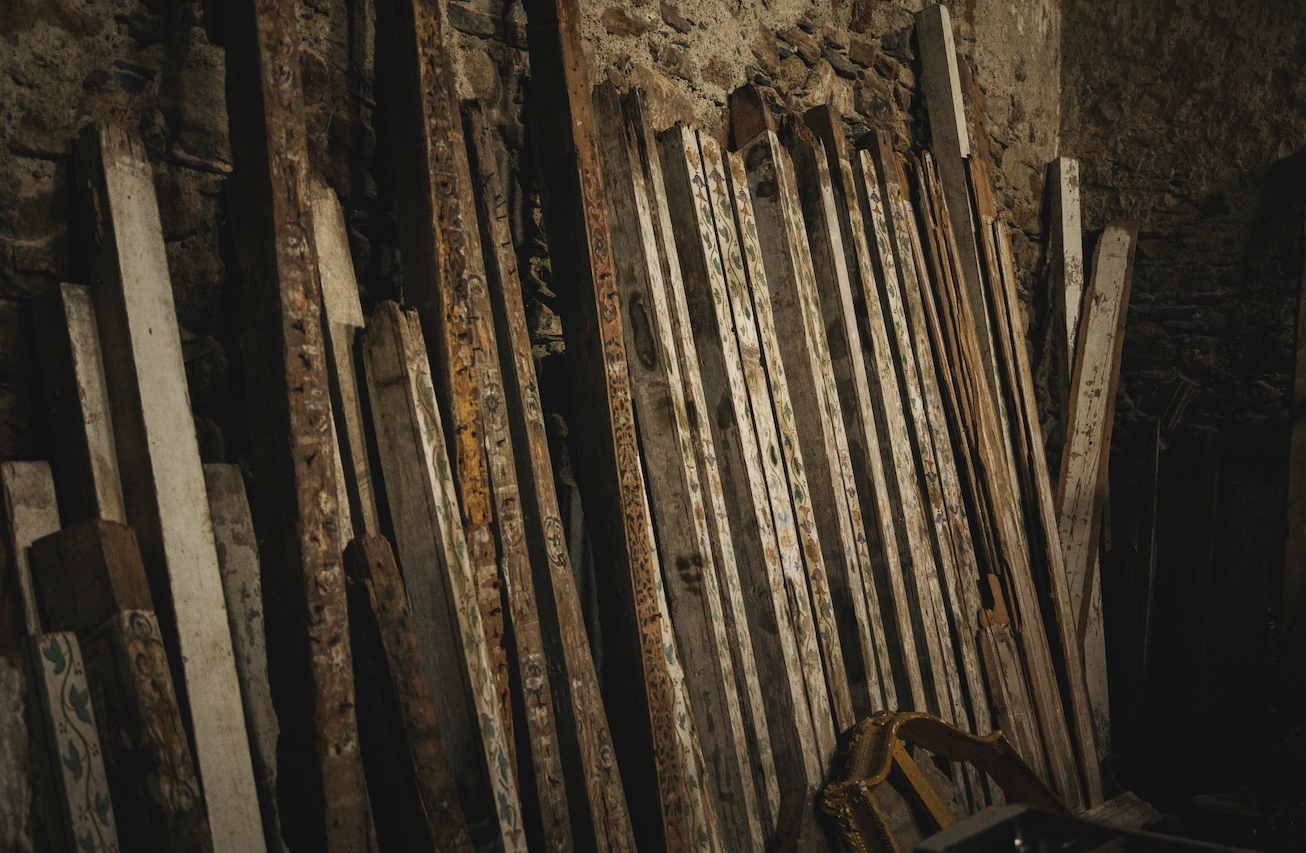
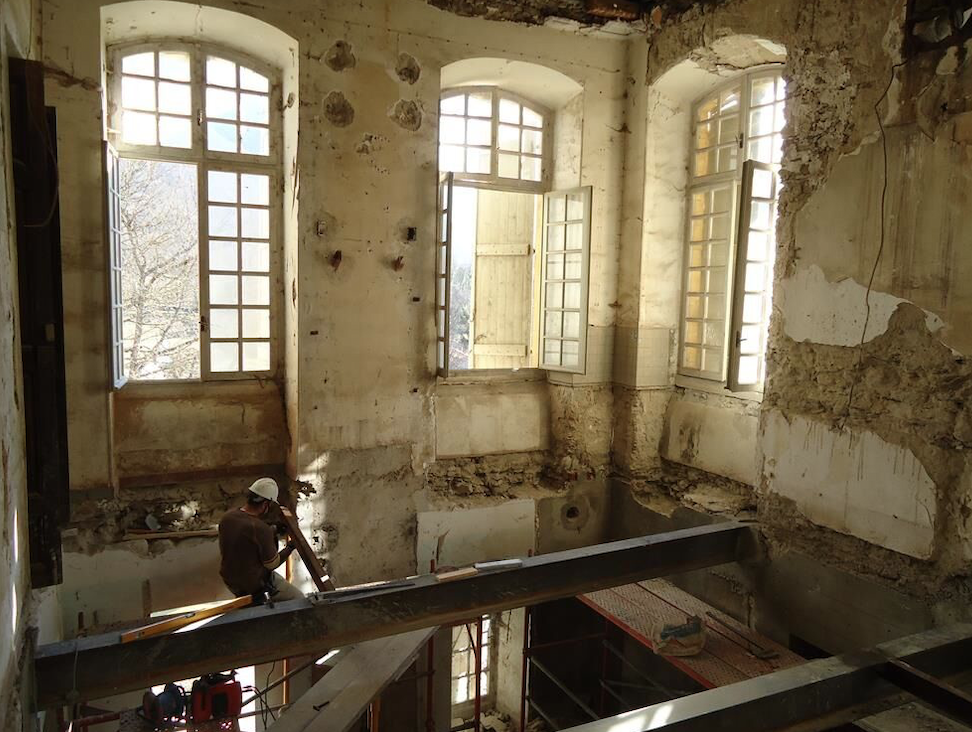
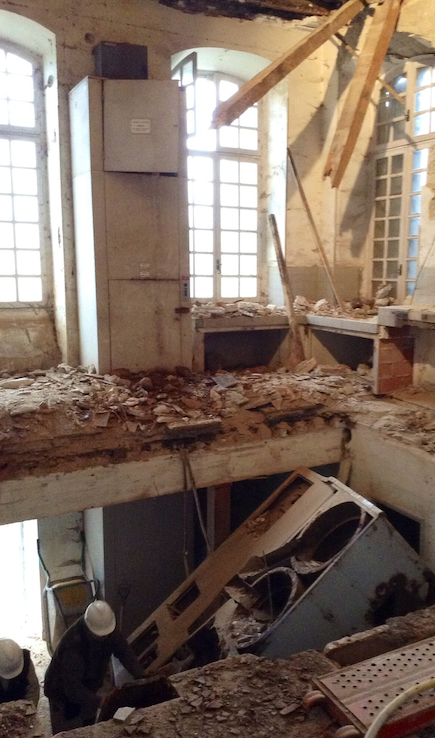
After centuries of change, for the better and for the worse, the château finally entered a new chapter in 2013 when a passionate restoration journey began to revive this forgotten masterpiece. Before the careful work of restoration could begin, eight months were devoted solely to clearing more than 500 tonnes of fallen stone, debris and rubble from within the château’s interiors - a monumental undertaking that revealed the extraordinary scale of the challenge ahead. With immense respect for its heritage, wherever possible the original stonework, frescoes, timber beams and architectural details were carefully kept and preserved. The restoration is not about returning the château to a moment frozen in time, but about honouring its soul - allowing the spirit, craftsmanship and stories held within its walls to live once again.
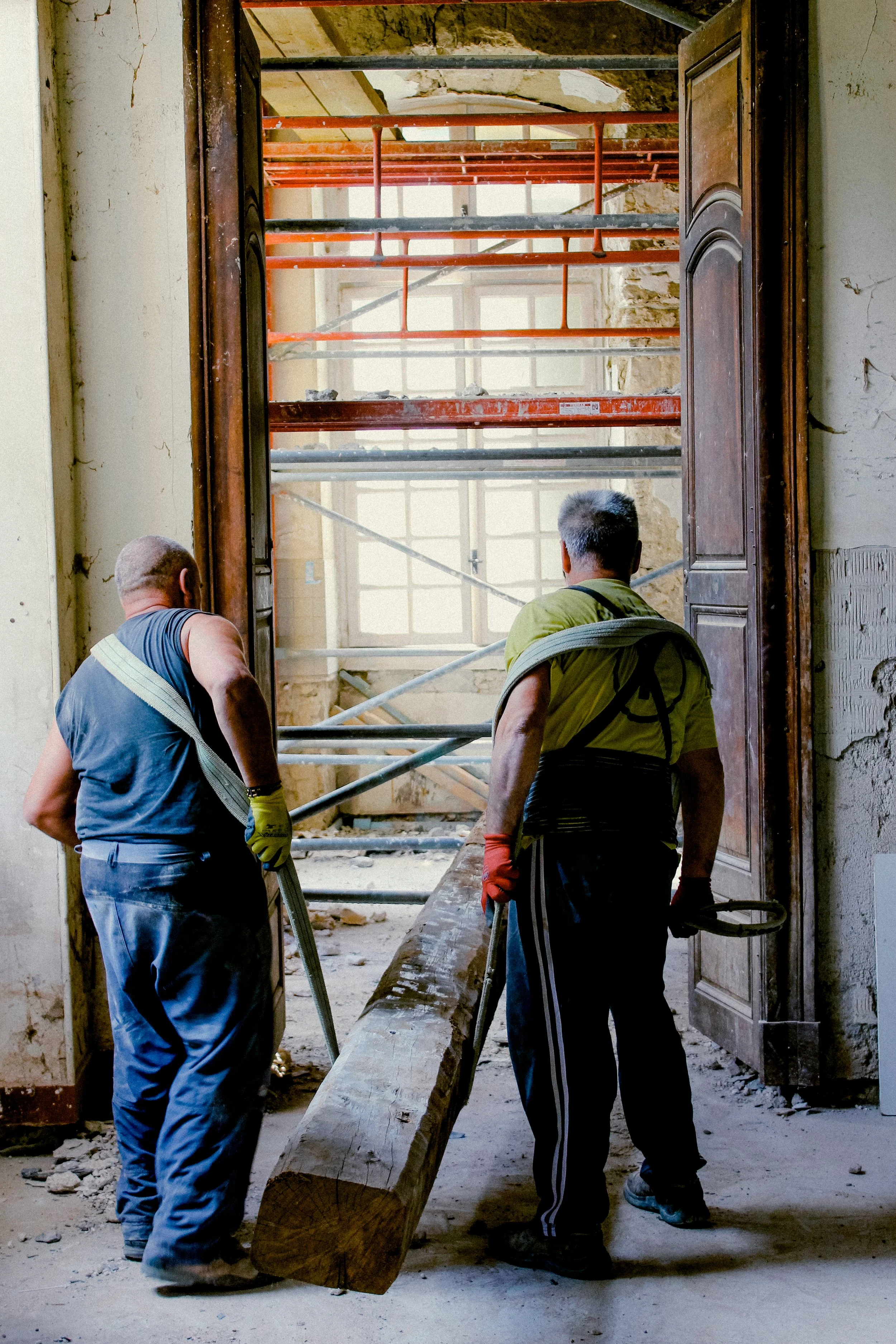
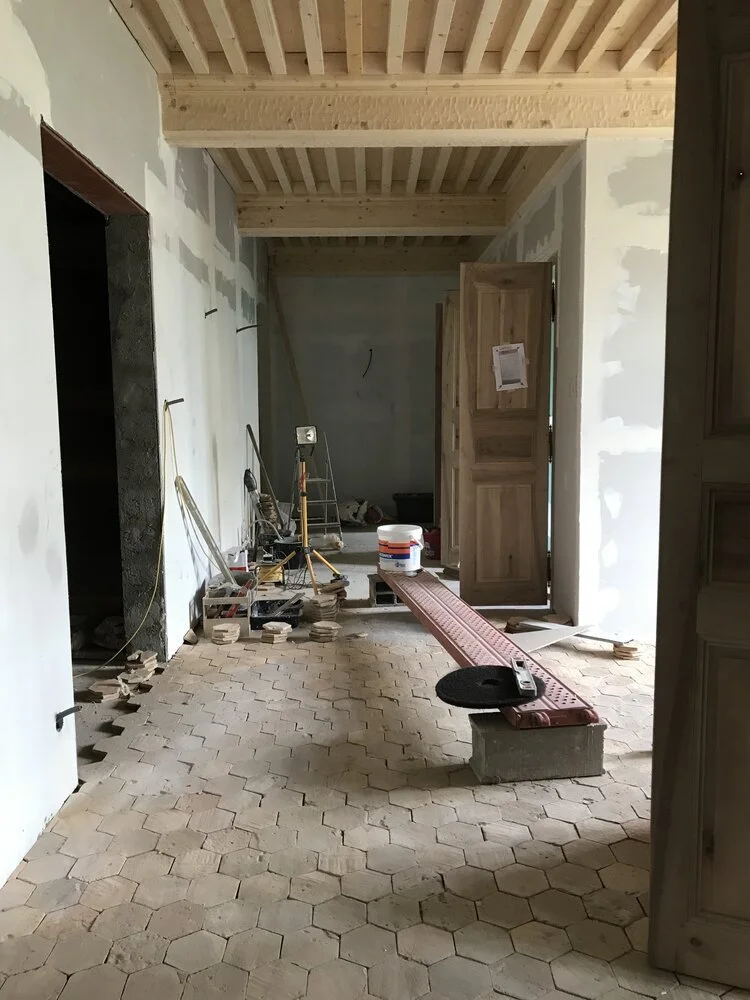
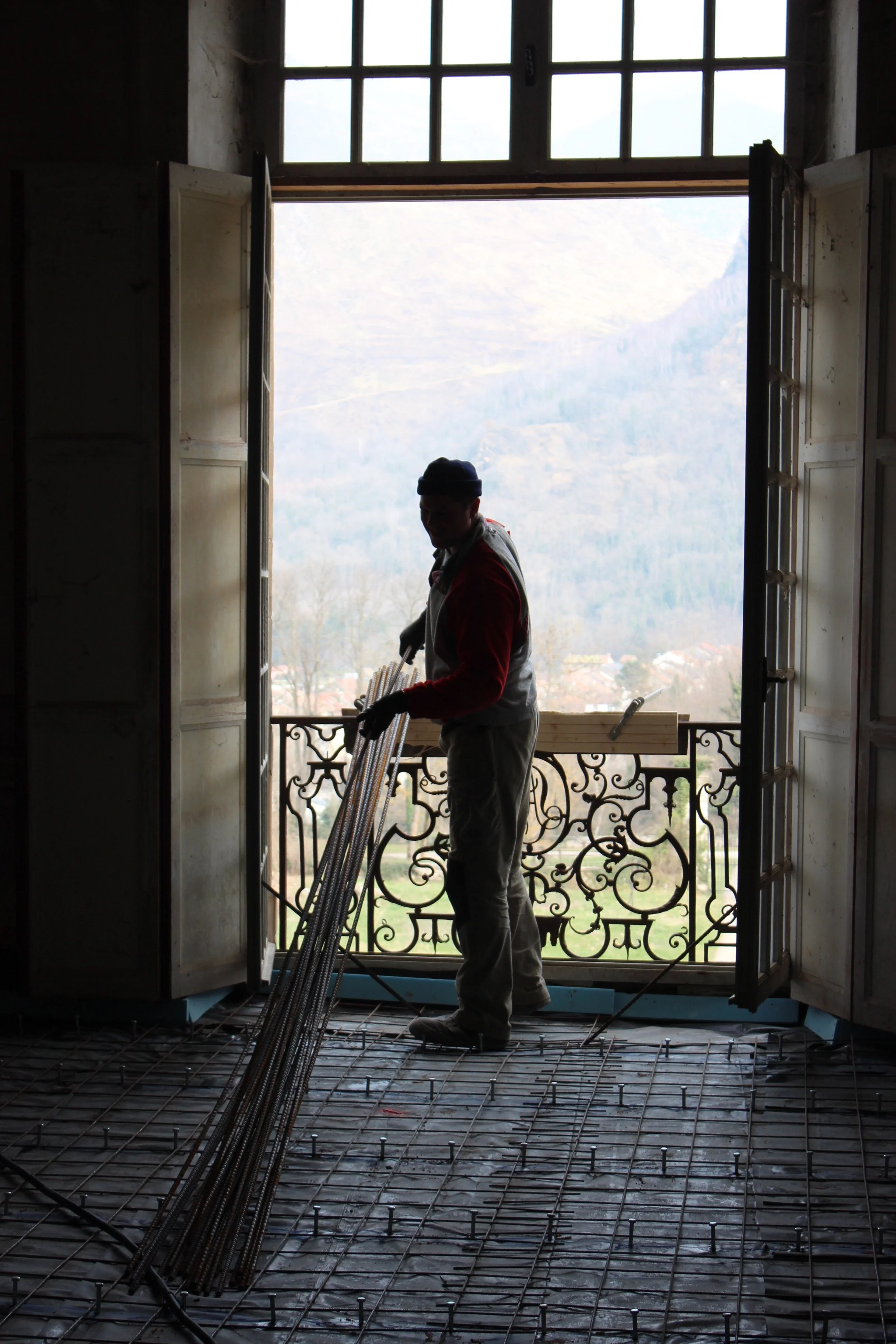
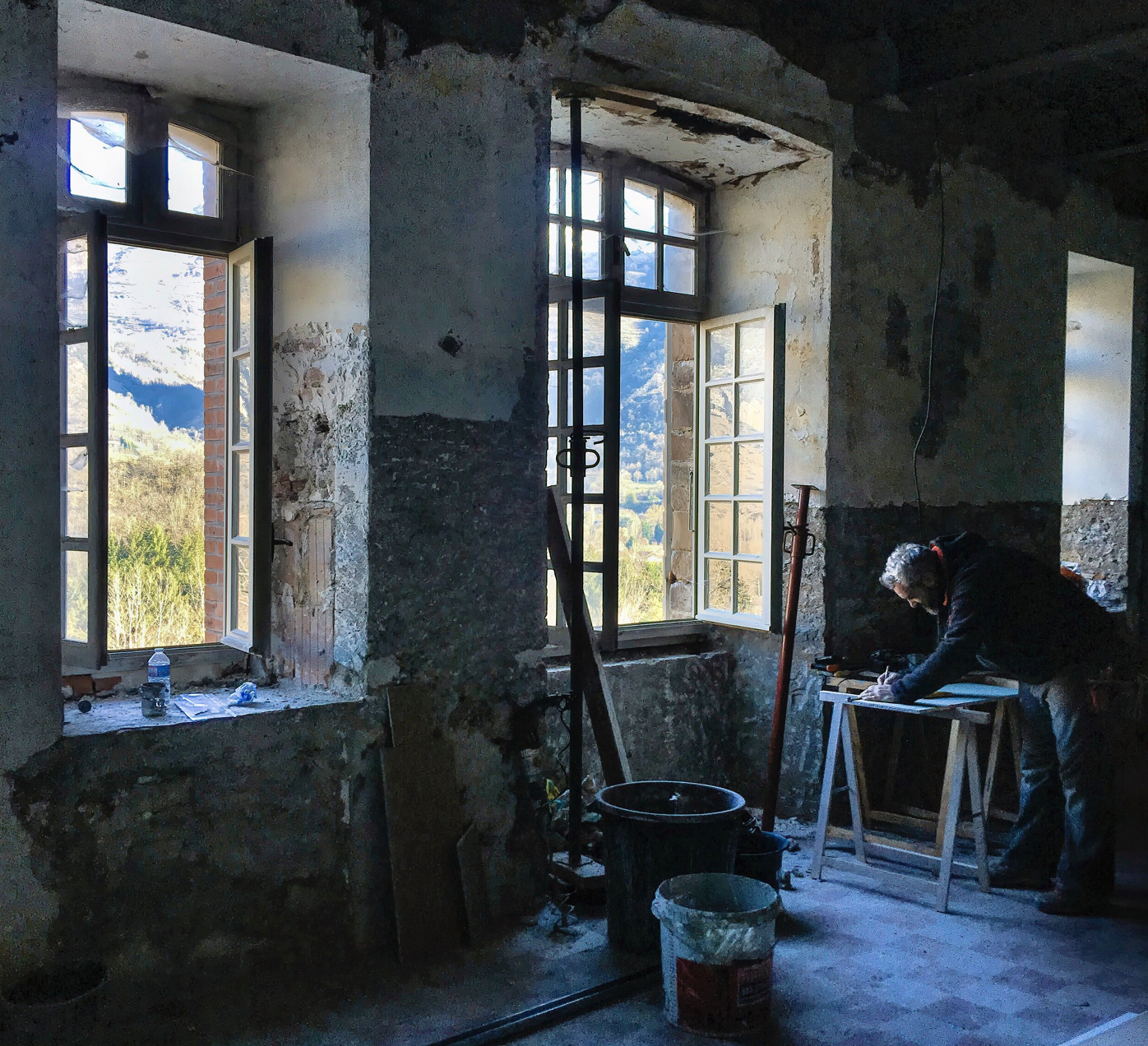
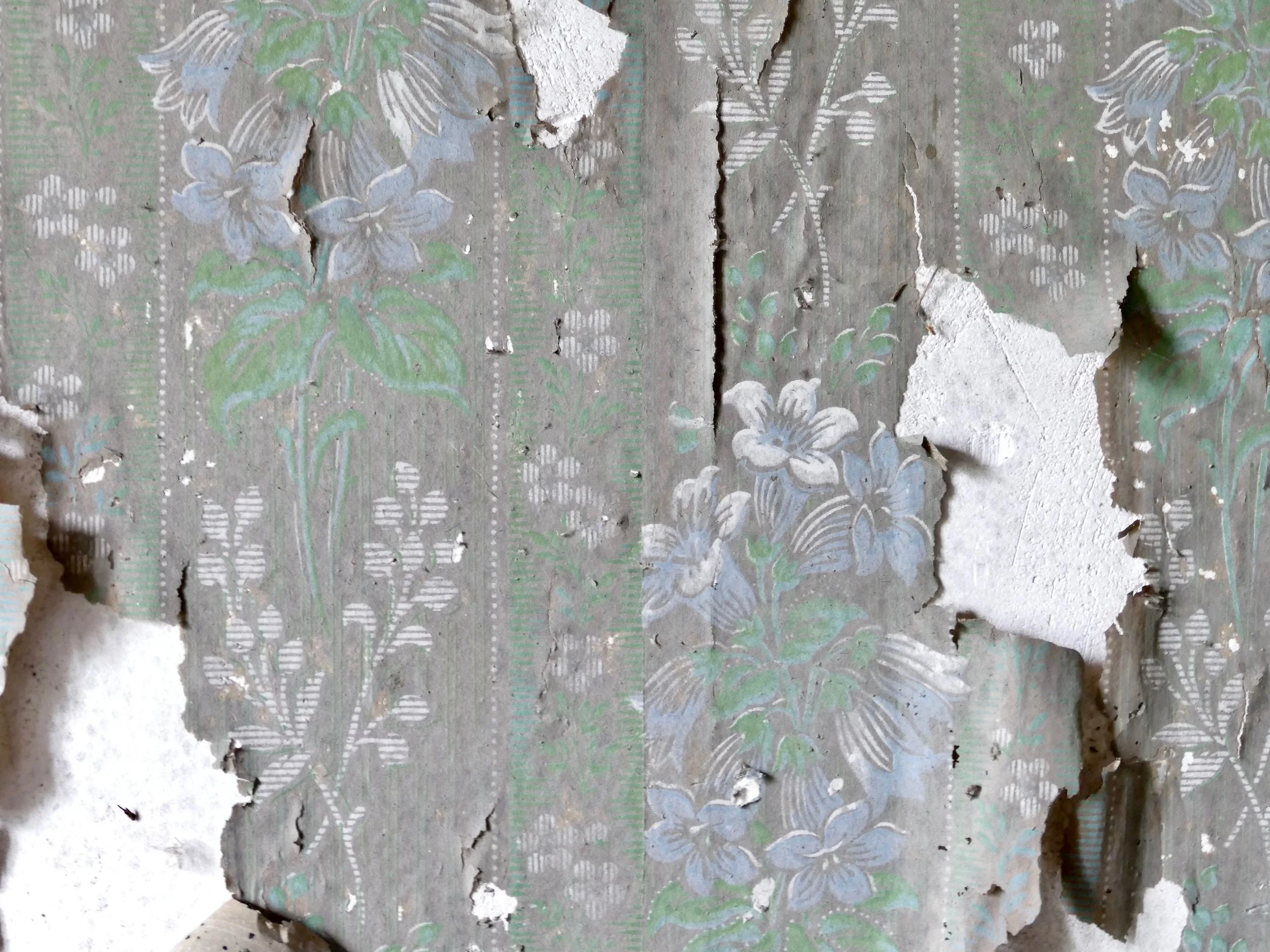
Known as the renaissance of the château, this ongoing restoration represents a dialogue between past and present.
Ancient walls now welcome new memories, historic salons are slowly awakened and forgotten details are brought back into the light. Each restoration decision is guided by a commitment to authenticity, craftsmanship and the preservation of France’s extraordinary architectural patrimoine.
Before & After - La Cuisine
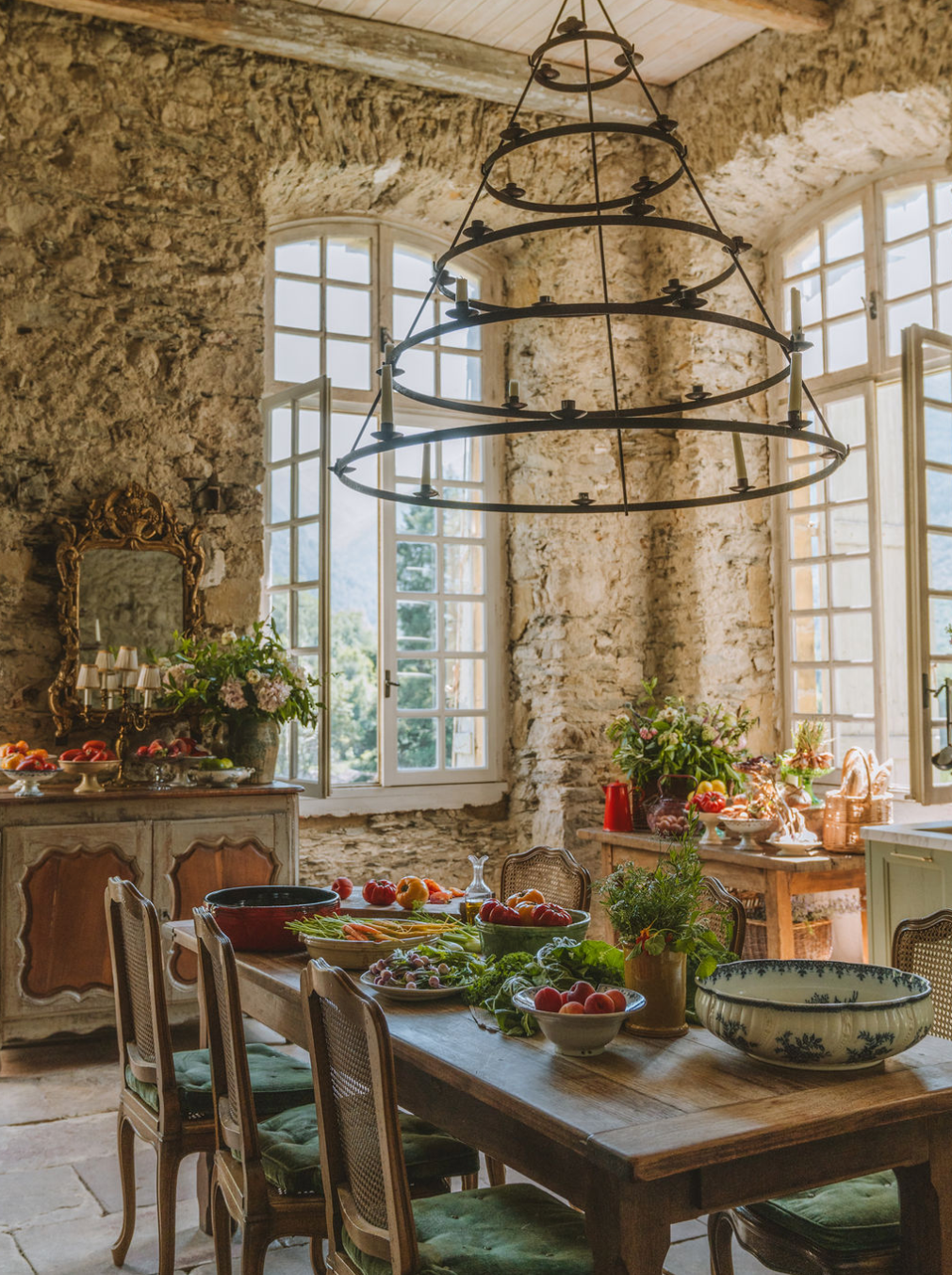
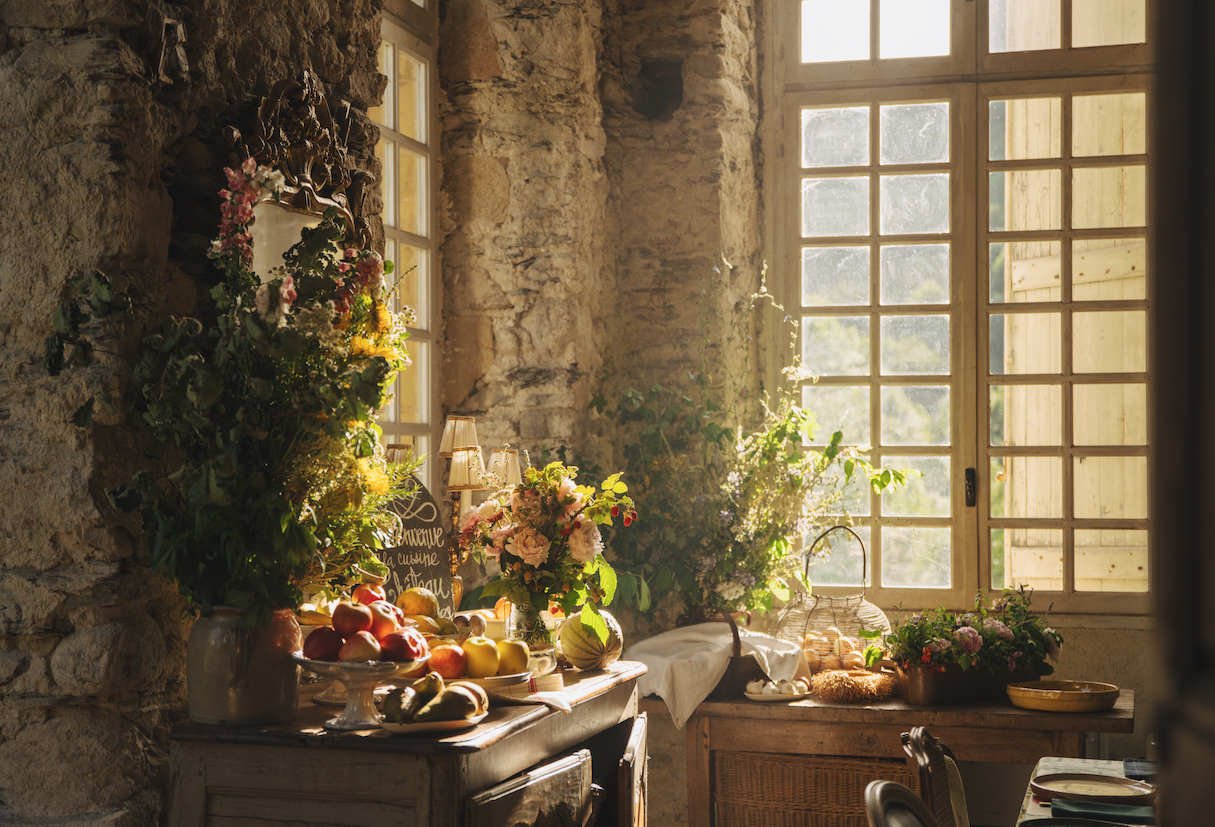
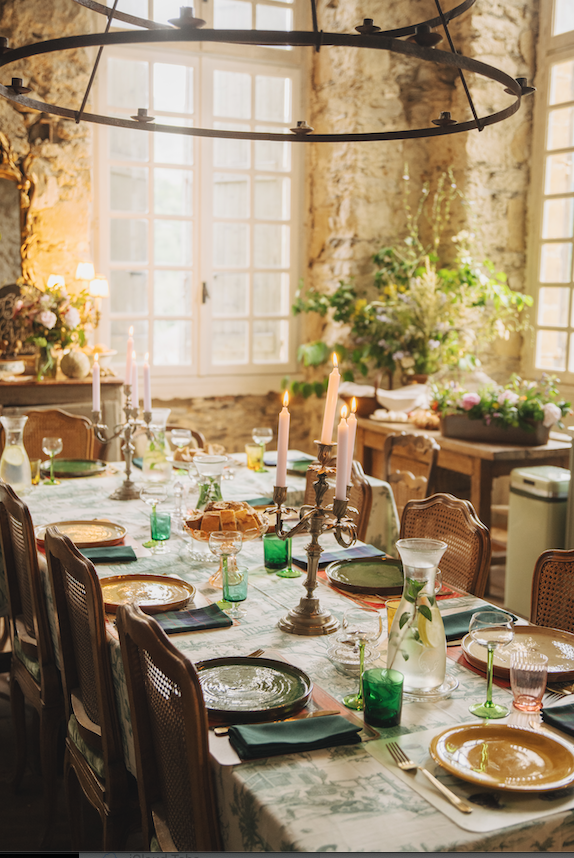
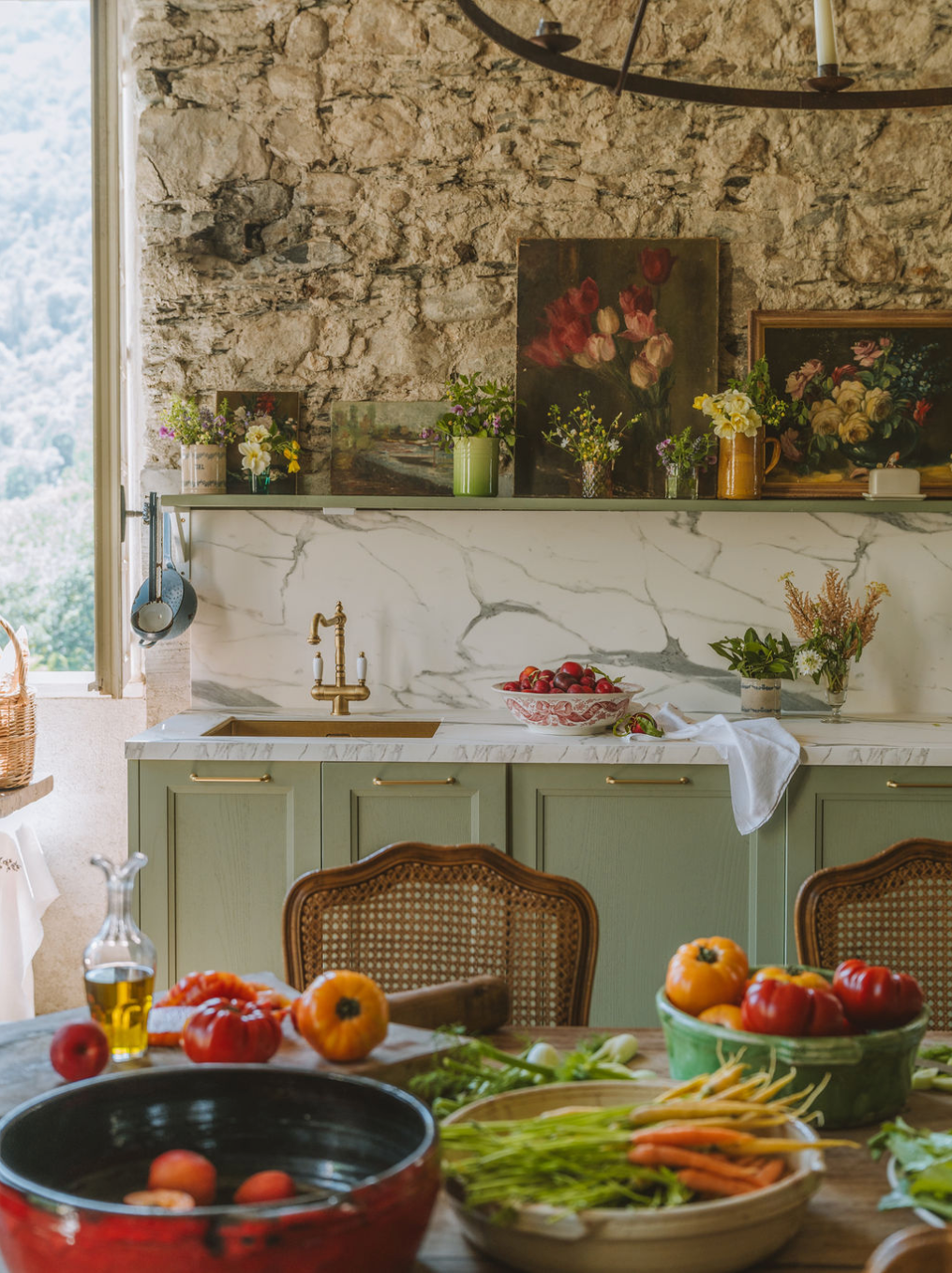
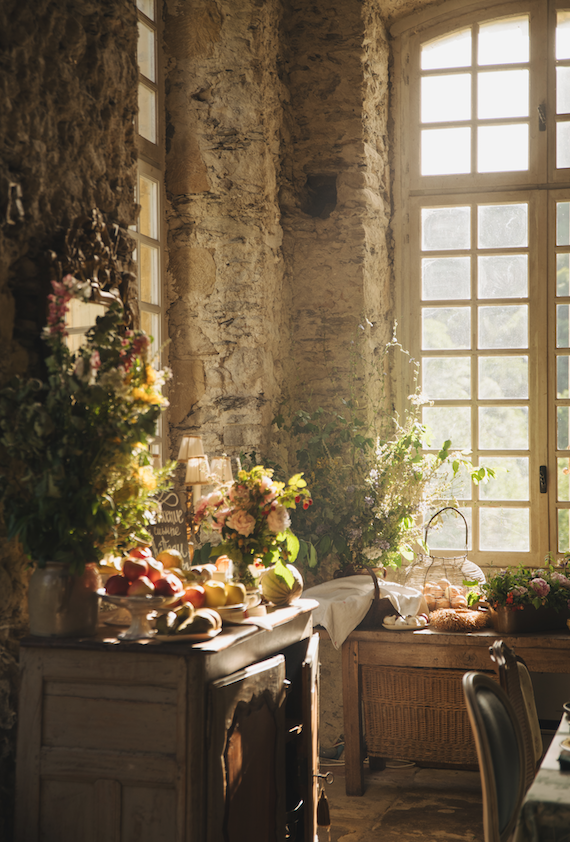
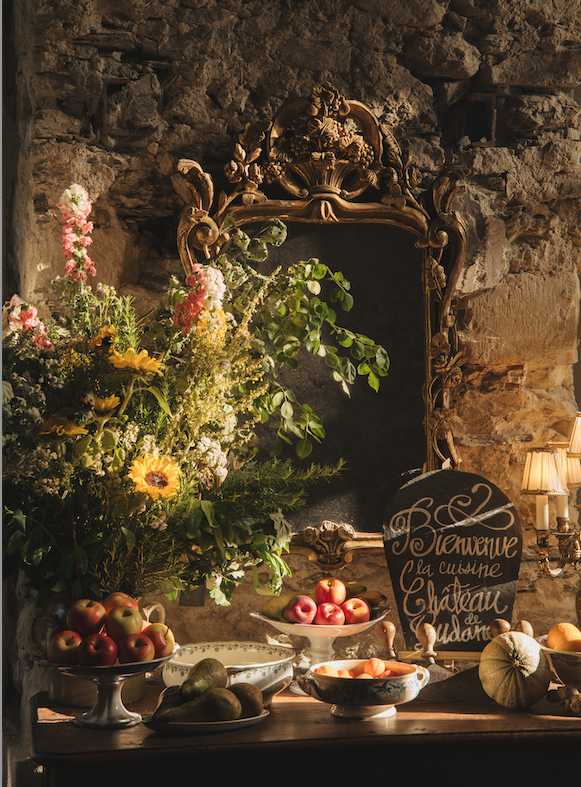
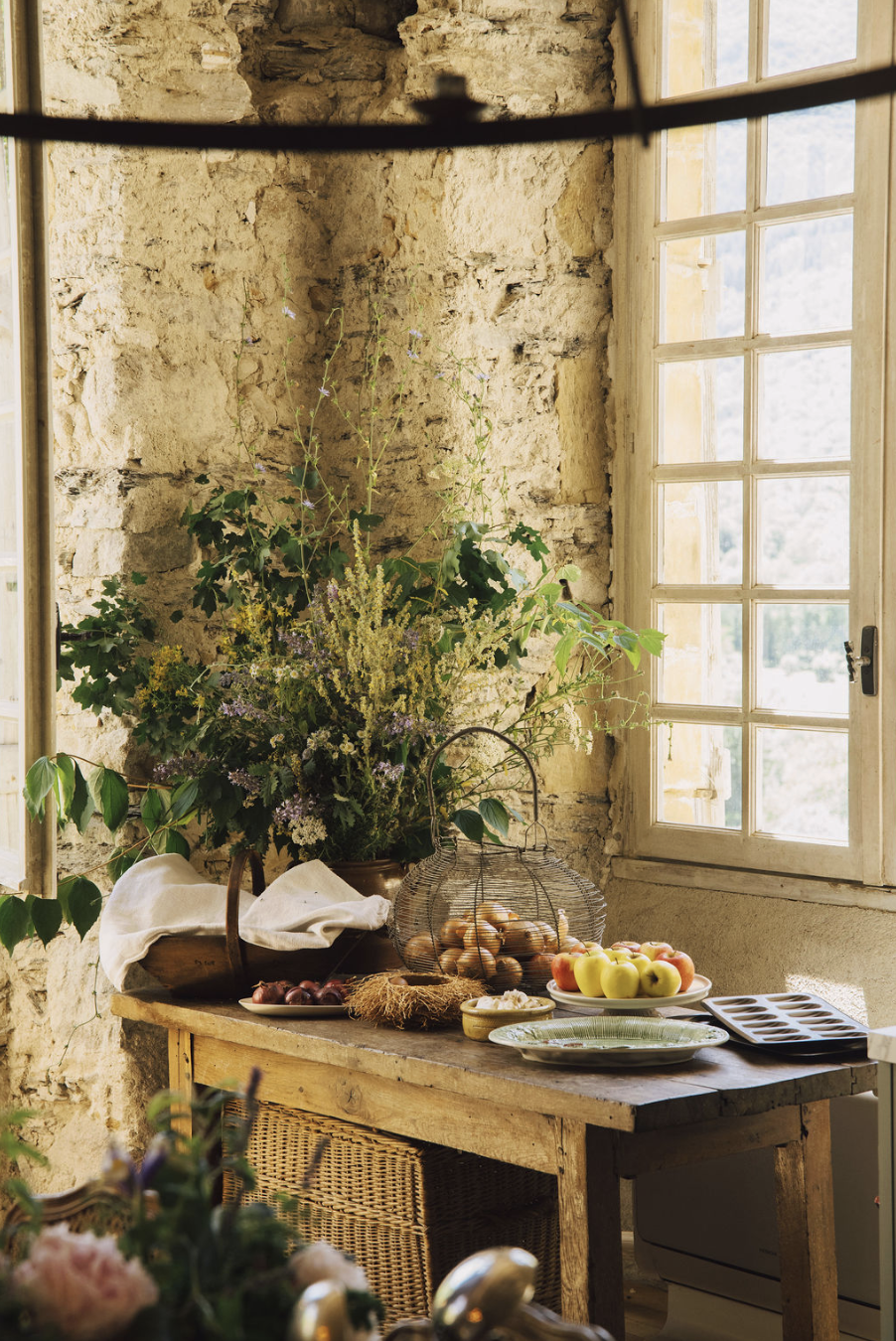
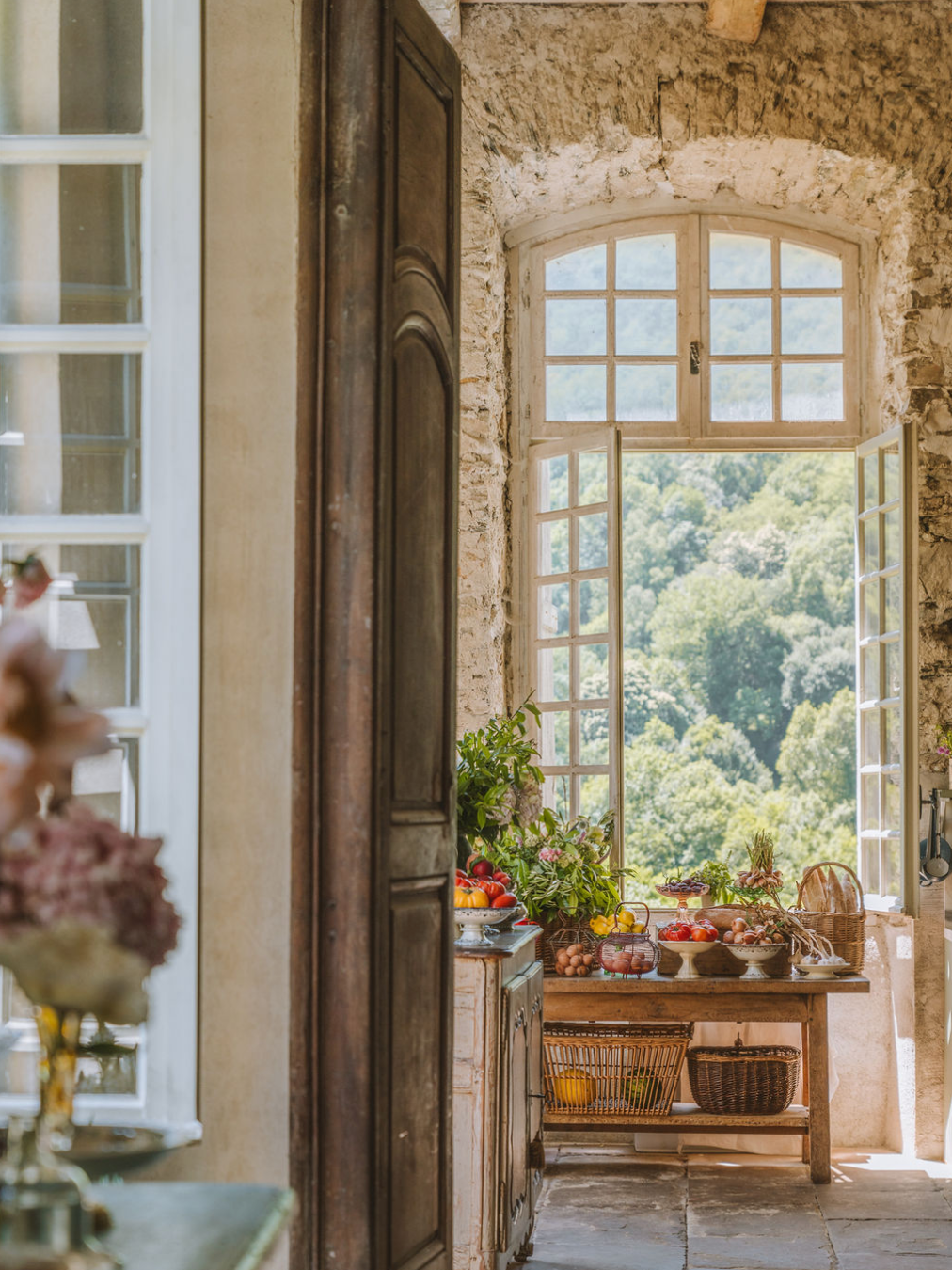
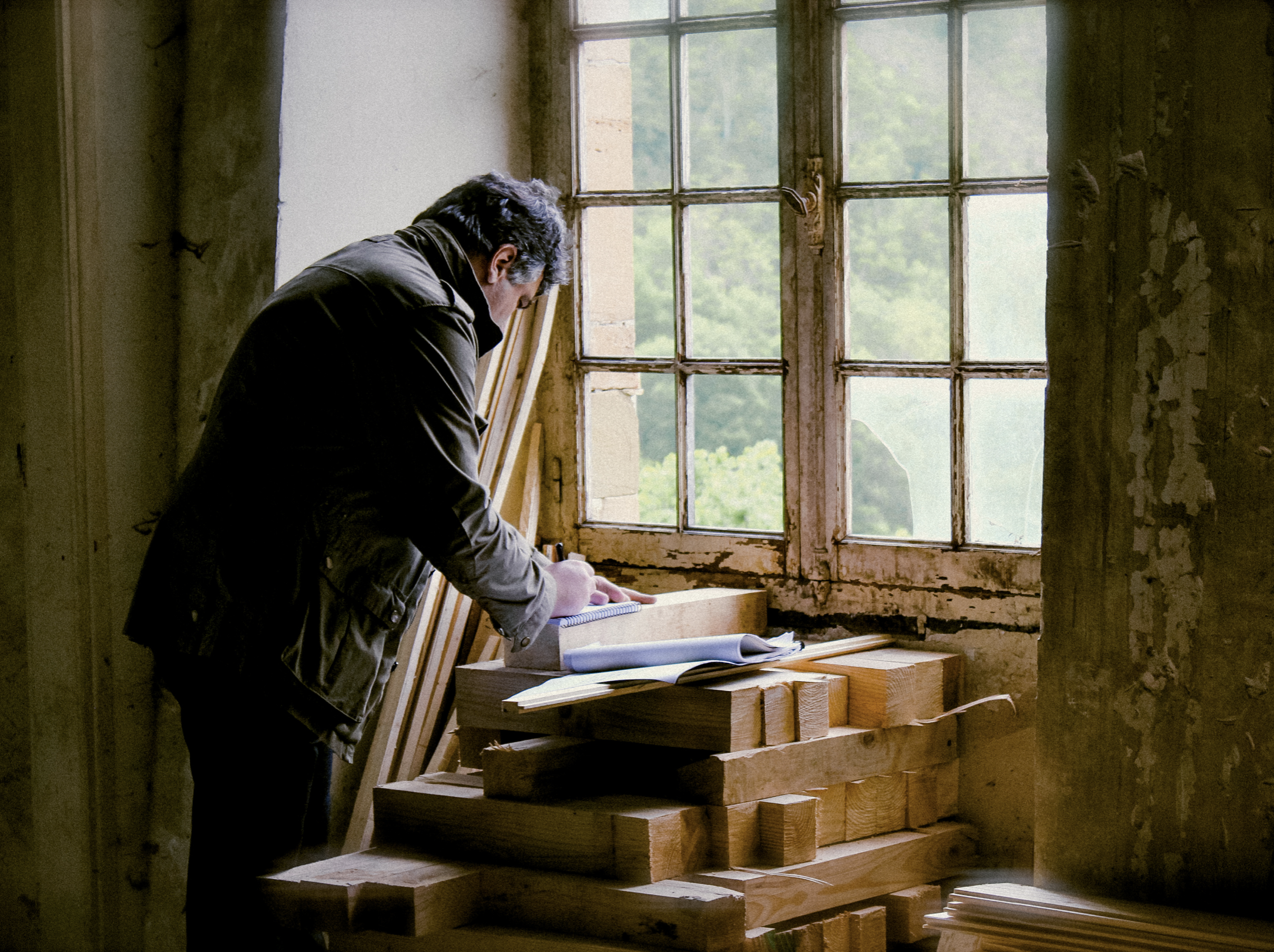
Today, Château de Gudanes remains a work of passion and patience - a living monument where history, beauty and imagination continue to meet. It is a place where generations of artisans, guests, artists and storytellers contribute to an ever-evolving legacy.
From its royal beginnings to its careful restoration today, Gudanes embodies the enduring romance of a historic French estate - a masterpiece being lovingly revived, a heritage being preserved, and a timeless story continuing to unfold.